Pain seldom acts. It flares in a triage bay throughout a disorderly night change, sticks around in a post-op ward when the spinal subsides early, and stubbornly shadows rehab people after a knee replacement. Competent pain administration is not a luxury, it is a core medical competency. The PUAEME008 Offer Discomfort Management unit was designed precisely for those moments that demand positive, prompt action. For clinicians that require useful, evidence-based techniques without stopping their occupation for a full postgraduate path, this brief course provides a fast track that still respects professional complexity.
I have shown and overseen medical professionals via PUAEME008 throughout emergency situation departments, exclusive centers, and onsite work environment health and wellness programs. The very best results come when participants expect greater than a checkbox certificate. They come for a functioning toolbox they can unravel the following day, under real-world pressure. That useful prejudice runs through this guide.
What PUAEME008 in fact covers
The PUAEME008 Provide Discomfort Administration system rests within the public safety and security and emergency administration training framework, but its content applies well beyond paramedicine. The core end results align with four abilities:
- Rapid evaluation of intense and procedural discomfort in adults and, where relevant, teens and children. Selection and secure administration of simple analgesics and breathed in analgesia, including signs, dosing arrays, and contraindications. Non-pharmacological strategies that work in real time, from positioning to coached breathing to disturbance for children. Monitoring, documents, and escalation standards, including when to stop, when to observe, and when to call for innovative support.
A trustworthy carrier will localise procedures to your jurisdiction. Entonox accessibility, S8 medicine guidelines, and extent of technique vary across regions. In useful terms, that means you learn what you can in fact do tomorrow under your own license, not an idealised protocol from somewhere else.
Why short courses hurting monitoring issue on the floor
Long-form research grows theory. Brief programs in pain management develop what happens between min one and min fifteen. That home window commonly figures out whether an individual stabilises or spirals. I have watched a calm, methodical application of PUAEME008 principles turn a hallway stretcher scene from yelling and tachycardia to a quiet conversation in under 10 minutes, with nothing more than an inhaled analgesic, a modification of position, and a pulse oximeter that remained over 96 percent.
Short courses deliver 3 useful advantages. Initially, they create a shared language throughout blended teams. Second, they establish minimum standards for documents and reassessment intervals, so no one is thinking. Third, they educate muscle memory for fundamental pharmacology in worried contexts where cognitive lots is high.
Who gets the most from PUAEME008
Nurses, physiotherapists, first responders, oral and small procedure medical professionals, and occasion medics each take different lessons from the very same unit.
For nurses, the clearness around titration and review reduces the back-and-forth with prescribers and lifts client satisfaction in the first hour of care. For physiotherapists, the non-drug approaches and the framing of discomfort education are immediately useful throughout mobilisations and post-surgical rehabilitation sessions. For office first aid police officers and sports paramedics, the unit brings structure to scenes that or else rely on improvised comfort procedures. And for mixed-skill teams in remote or resource-limited settings, the methods established risk-free limits that maintain people secure while transfer plans unfold.
If you are scanning discomfort management training courses for registered nurses, check whether the supplier clearly maps the system's procedures to your medicine standing orders and electronic record operations. If you are filtering discomfort administration training courses for physio therapists, validate that the course gives equivalent weight to non-pharmacological techniques, rated exposure, and communication.

What the knowing really looks like
A well run PUAEME008 course blends pre-reading with a focused useful day. Anticipate an on the internet primer covering pain physiology, that analgesic ladder context, threat screening for opioid level of sensitivity, and age-specific considerations. The workshop day then moves through situation terminals: a shoulder misplacement on a netball court, kidney colic in triage, a child with a displaced lower arm crack, and a rib fracture patient coughing after an area fall.
We drill three habits relentlessly. First, catch a baseline that means something: a numerical ranking, detailed adjectives, and practical effect, not just a single number. Second, select the least complex treatment that will likely function, after that reassess in a dealt with period. Third, file as if handover will certainly happen within the next twenty mins, since it often does.
Medications at the heart of the unit
The drug checklist varies with neighborhood range, however in many programs the first-line pharmacology consists of paracetamol, non-steroidal anti-inflammatory medications, and breathed in nitrous oxide and oxygen mixes. Some progressed ranges include methoxyflurane, tramadol, or restricted dental opioids under procedure. The emphasis gets on recognizing indications, safe application varieties, onset times, and the warnings that ought to quit you in your tracks.
Paracetamol remains the unsung hero. Provided early and dosed appropriately, it smooths the heights and enhances the effect of complements. NSAIDs bring anti-inflammatory activity however demand respect for kidney feature, gastritis history, and simultaneous anticoagulation. Inhaled analgesia offers rapid beginning with brief duration, suitable for extrications and short treatments, but needs active monitoring and mentoring on technique.
The system trains you to maintain a psychological grid, not a memorised manuscript. Person weight, comorbidities, existing medicines, approximated time to conclusive care, and the requirement for individual engagement in treatments all remain on that grid. If the patient had their optimum paracetamol dosage in the house an hour earlier and is borderline dehydrated after throwing up, your following secure relocation could be non-pharmacological until intravenous liquids or elderly evaluation arrive.
Non-drug actions that in fact work
Non-pharmacological techniques obtain lip service in lots of courses, after that disappear as soon as the cannula tray appears. PUAEME008 pushes them right into the foreground. Positioning makes a visible difference in rib injuries and kidney colic. Directed breathing shifts focus and supports breathed in analgesia distribution. Ice and assistance bandaging reduce swelling and boost tolerability for joint injuries. For kids, age-appropriate distraction and caretaker participation can cut in half visible distress prior to any type of medicine reaches plasma.
These measures are not attractive. They decrease needed doses, which consequently lowers negative effects threat, which then preserves decision-making bandwidth for the following step in care.
Documentation that stands in court and at handover
Charts tell tales. The PUAEME008 approach turns those stories into timelines. Standard discomfort score, intervention, time, review, and any type of negative impact, written so an additional clinician can get the string quickly. I educate a straightforward pattern: record the problem in the individual's very own words, record what you did and why, after that videotape what changed.
Good documentation likewise shields the client. If an analgesic strategy is not functioning by the second review point, that ends up being the trigger for rise, not an unclear feeling that points are drifting.
How the system links into broader discomfort management training
Short training courses in pain management are commonly a beginning block. After PUAEME008, many clinicians try to find a certificate program hurting monitoring that expands right into consistent pain, multidisciplinary treatment, and psychosocial frameworks. There is no single nationwide path that suits every person, yet two courses have a tendency to work:
- A pain monitoring certificate or discomfort management accreditation training course provided by a college or expert university, covering 3 to 6 months part-time, with components on neuropathic mechanisms, outcome measures, and interdisciplinary instance conferences. Role-specific pain monitoring training programs, commonly for nurses or physiotherapists, that construct abilities like motivational interviewing, rated task planning, and sleep health training, coupled with pharmacology refreshers.
The PUAEME008 offer discomfort management system reinforces the acute and procedural edge of your practice. The longer certificate programs establish the persistent and intricate corner. Numerous clinicians gain from both.
Assessment and expertise: what you are signing up for
Expect three types of analysis: a knowledge quiz that examines pharmacology and red flags, a practical assessment in simulated situations, and workplace proof if your employer can support it. The useful portion issues most. You will be timed, observed, and asked to explain your selections while you keep track of and assure the patient.
Competency is not excellence, it is consistent security under stress. You must demonstrate that you can withhold or stop analgesia when indications point to run the risk of. That consists of patients with minimized conscious states, presumed head injury, unsteady vitals, or progressing sensitive responses.
The side instances that separate amateurs from professionals
Every experienced medical professional brings a mental catalogue of traps. A couple of issue often enough to highlight:
- The calm older adult with a hip crack and a discomfort rating of 2 who will certainly stagnate the leg. The reduced score does not match the function. Treat the function and secure the respiratory tract throughout breathed in analgesia. The patient with extreme asthma history who reaches for breathed in analgesia. Understand the gadget's driving gas, the needed oxygen portion, and when to choose simple oral analgesia plus tranquil placing while oxygen and bronchodilator strategies are set. The dried individual with colicky discomfort and borderline renal function. NSAIDs may not be your first action. Take into consideration alternatives and push liquids if within scope. The anxious young adult with a misplacement that hyperventilates and states the medication is not working. Technique, training, and setting might matter more than dosage in the initial 5 minutes. The patient who self-dosed at home with numerous representatives. When in doubt, decrease, check cumulative paracetamol over 1 day, and verify any unlabelled medicine they took.
These scenarios are discussed openly in good courses, with space to debrief mistakes in a risk-free environment. The objective is not to memorize a lengthy listing of exemptions, it is to construct a state of mind that notices when the image does not fit and picks the conventional, patient-centred response.
Tailoring for nurses and physiotherapists
When I run discomfort administration training for registered nurses, the strongest gains originate from tightening acceleration thresholds and streamlining communication with prescribers. A pain management certificate course offerings clear, succinct SBAR style pitch that consists of baseline discomfort, useful effect, tried treatments, vitals, and a suggested following action reduces the time to alleviation. Registered nurses additionally benefit from functional scripts that set expectations with clients and households, especially around onset times and reassessment.
For physio therapists, the edge depends on incorporating analgesia with activity. Pain education and learning delivered throughout the initial assisted sit-to-stand has a different appearance than a lecture handout. Basic wording aids: we will certainly go for tolerable, not absolutely no. The course reframes pacing and rated direct exposure in the language of acute care. It additionally motivates collaboration with nursing coworkers to line up analgesic timing with one of the most demanding wheelchair goals.
Emergency discomfort monitoring under actual constraints
Emergency departments and area setups compress time. The PUAEME008 offer pain monitoring unit assumes disruptions, partial information, and completing top priorities. Here are 3 patterns that hold up:
Time box every action. If you provide breathed in analgesia, established a two to three min reassessment assumption and communicate it to the client. If you give an oral representative, set a fifteen to half an hour home window and provide a diversion method in the gap.
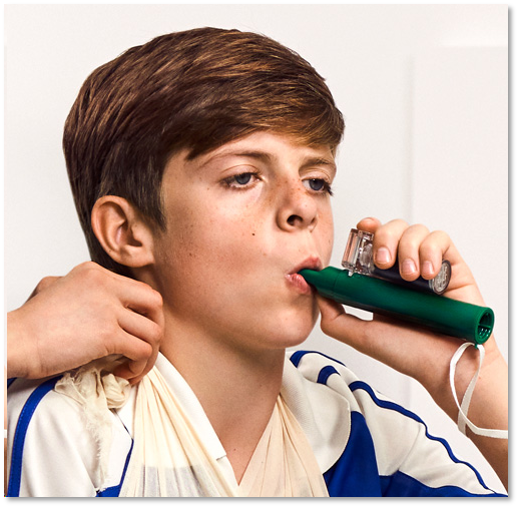
Anchor to vitals. A pleasurable client on breathed in analgesia can have sneaking hypoventilation in a congested hall. Continual pulse oximetry and a noticeable respiratory rate matter maintain complacency away. If surveillance is inaccessible, lower your danger tolerance and decrease dosage opportunities.
Plan your exit. Prior to you start, understand exactly how you will stop, hand over, or intensify. That includes oxygen supply, spare mouth pieces, disposal treatments for scavenging requirements, and a clear course for rapid removal if damaging results appear.
Choosing a reliable provider and avoiding usual pitfalls
Certification is just as solid as the training high quality. Try to find programs that publish their medicine protocols, analysis criteria, and teacher qualifications. Ask about proportions for the useful day. 10 individuals to one trainer is convenient. A crowded space with a solitary facilitator does not provide the comments you need.
Confirm recognition with your employer or pc registry. A discomfort administration certificate course could look remarkable, however if the unit code or analysis evidence does not line up with your scope of method, it comes to be an exclusive success rather than a credential you can release. If you are going after discomfort administration qualification in a specialist college framework, confirm just how the brief course maps to proceeding professional growth points.
Beware of purely on the internet versions pain management certification that promise complete expertises in an afternoon without any simulation. Concept components are valuable, yet this unit requires hands-on experiment tools and real-time decisions.

What changes the day after the course
The examination of any short course is your following shift. Grads typically report three prompt shifts. They initiate analgesia earlier due to the fact that the threshold is clearer. They communicate much more precisely regarding pain, relocating past a single number to operate and trajectory. And they really feel more comfy quiting an intervention that is not functioning and intensifying early, rather than stacking half-measures that cloud the picture.
Patients see. Peaceful, timely discomfort relief constructs trust fund. Trust makes treatments easier. Less complicated procedures reduce risks. The responses loop is basic, and it starts with proficient basics.
The lawful and honest frame
Pain monitoring rests at the crossway of task of treatment and duty of safety. The system covers permission, consisting of suggested authorization in emergencies, and paperwork that supports notified decisions. It likewise resolves drug stewardship. Short training courses in pain administration do not turn clinicians right into prescribers of effective medicines, nor need to they. They reinforce respect for protocols and liable usage, with an eye on community-level risks.
Privacy issues too. Pain tales carry individual histories. Chart what is medically appropriate. Keep sensitive details in ideal sections of the record, and stay clear of passage discussions that turn into tradition. Ethics here is usually about little practices exercised daily.
Building a regional discomfort protocol after certification
Teams obtain the most from PUAEME008 when they embed it. That indicates a laminated one-page method at factor of treatment, equipped and inspected equipment, and a straightforward audit loop. Track three numbers for a month: time to first analgesia for moderate to serious discomfort, percentage of clients with documented review within the anticipated window, and price of recorded unfavorable effects. Improvement commonly turns up in week two.
Consider a quarterly ability refresher. 5 people, 5 situation notes, 10 mins of debrief. Rotate responsibility among personnel. Peer evaluation keeps the material alive and surfaces tiny system barriers, like a vacant cyndrical tube rack or a forgotten mouthpiece order.
How this suits a longer occupation hurting care
Not every person chooses a specialized hurting. Yet virtually every medical professional gain from organized discomfort administration training. If the subject captures hold, the following steps can include sophisticated discomfort management certification, joining interdisciplinary pain centers, or leading education initiatives in your department. The ladder is not linear. Many of the most effective educators began with a solitary brief system, utilized it well, and gradually constructed a profile around the results they cared about.
The most intelligent careers equilibrium breadth with deepness. PUAEME008 gives you breadth throughout urgent contexts. A longer certification course in pain monitoring gives you deepness with complex, relentless pain. Together, they make you a clinician patients keep in mind for the appropriate reasons.
Final thought
Pain is individual, messy, and typically political within health care systems that incentivise throughput. A functional, firmly delivered give pain monitoring training course like PUAEME008 outfits you to act where you stand. It will not resolve every dilemma, however it will give you a reliable initial feedback, based in security, empathy, and evidence. If you are weighing discomfort management training options, choose the one that puts you at a bedside with a person, a timer running, and a mentor at your joint. That is exactly how the skill sticks, which is how it appears when it matters.